
On my first night out in the woods, the single heaviest item in my pack wasn’t my shelter or my sleeping kit—it was water.
At 1kg per liter, the three liters I last-minute panic packed certainly made itself known the second I hit that first steep incline. I had to laugh! I had resolved to completely stop drinking water by 7:30 PM just so I wouldn’t have to face the dark to pee in the middle of the night.
When I got home, solving the water dilemma became a top priority. Thru-hikers and wilderness bushcrafters on YouTube routinely boast about carrying a single, solitary liter, confidently counting on natural streams to filter as they go. That is all well and good in the sprawling peaks of Wales or the Lake District. But here in South Croydon we have heavy clay, solid ground, and a distinct lack of rushing backcountry streams. If I wanted to keep up my local mini-adventures without carrying a water-logged pack, I needed a different strategy.
That’s when I stumbled onto the concept of a hybrid approach: marrying wilderness self-reliance with urban realities.
During my research, a fascinating piece of lore caught my eye:
“Most historic churches have active outdoor taps so mourners can water the graves of their loved ones.”
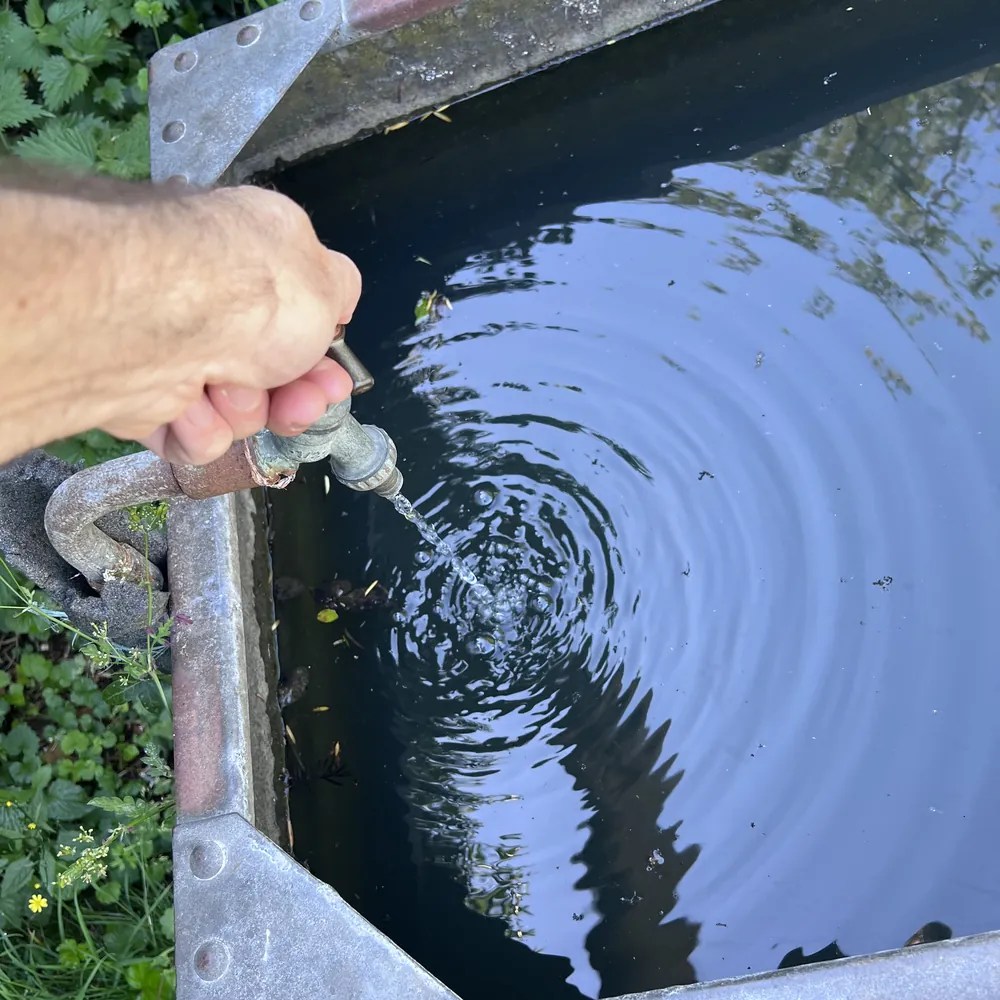
It sparked an immediate question. Is this a reliable, accessible resource for a backpacker, or is it just an internet myth? Do these taps actually flow, or are they rusted shut, locked away, or dry?
My day job gives me a unique advantage to test this out. My work regularly takes me all over the south of the country, dropping me right at church halls, scout huts, and community spaces. It takes almost no extra time for me to slip around the back of a building, locate the plumbing, and log the data.
So, that is exactly what I’m going to do. I am turning my routine travel into a mobile reconnaissance mission. I’ll be tracking the results right here via an unfolding, “Live” project stats board.
Even better, I am going to publish our verified coordinates directly onto OpenStreetMaps, helping local hikers, bikepackers, and urban explorers find water when they need it most.
The data gathering starts now. Welcome to the Tap Search.
 There is a Man in the Woods
Leave a comment